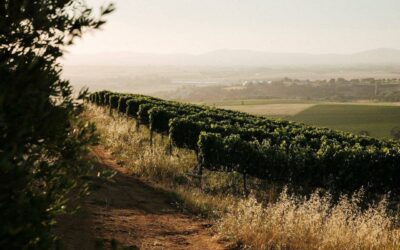
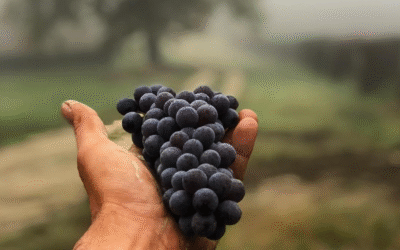
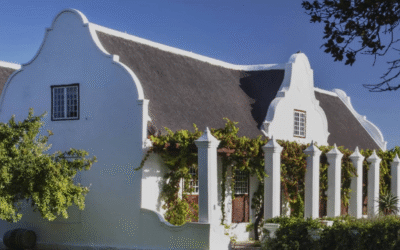
‘As long as you have a Vacheron in your glass you won’t get disappointed’, says the Wine Advocate of this elite Loire estate. What started in 1900 with Maurice Vacheron and a single hectare of Sauvignon Blanc has grown into one of France’s most recognisable names, boasting 45 hectares of biodynamically farmed vines.
Today the domaine is run by cousins Jean-Dominique and Jean-Laurent Vacheron, and their 2024 Sancerre Blanc is the perfect introduction to the range. If you like classic Chablis, this is worth your attention. From a cooler vintage, the racy acidity has been beautifully tempered by time on the lees and in bottle. Notes of pear, grapefruit, lemon zest and florals abound, with great structure, precision and mid-palate energy leading to a mineral, chalky finish. We can’t get enough – this is lip-lek-lekker.
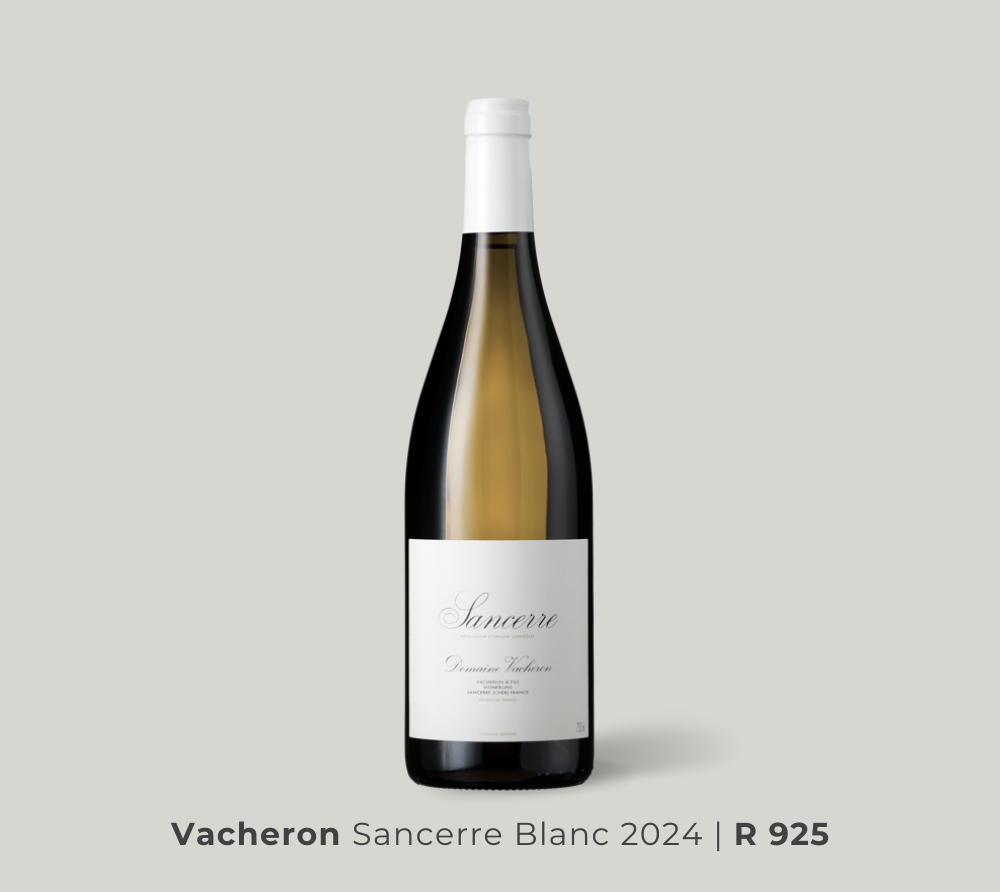
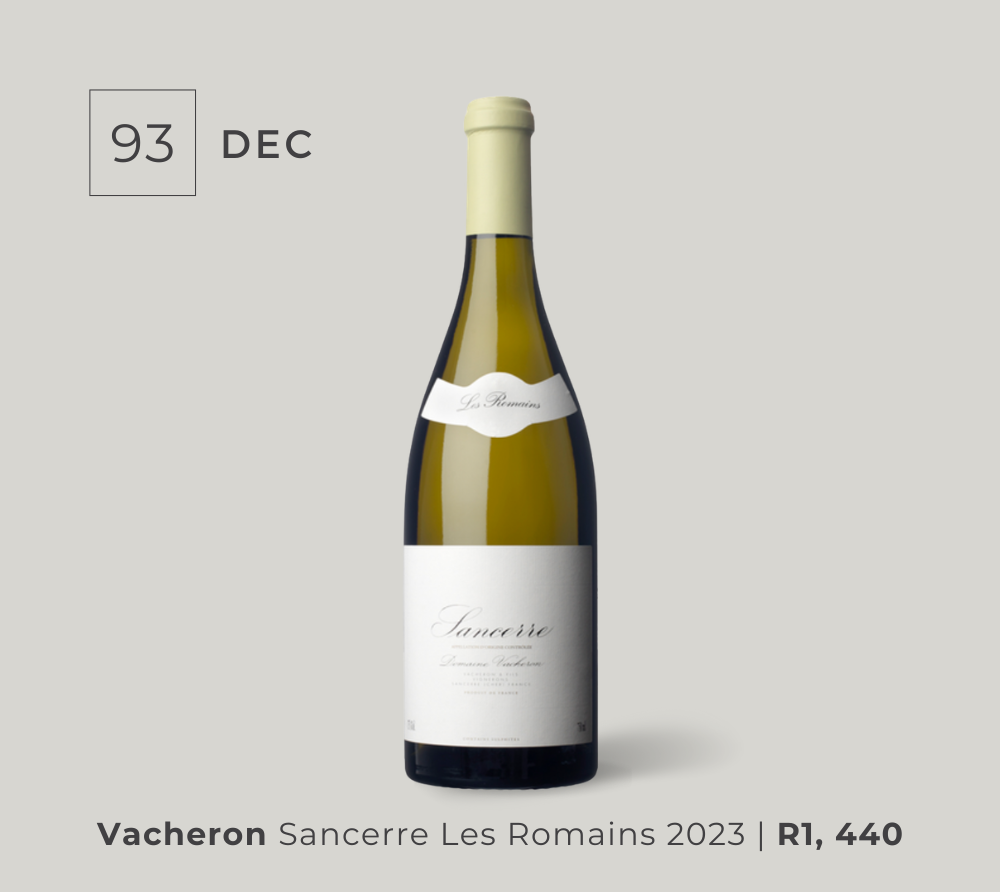
‘A focus on terroir has raised the white wines of Sancerre, this special part of the Loire valley, to new heights… Top wines of Sancerre now rival some of the finest whites in France.’ – Decanter
Vacheron’s single-vineyard Les Romains 2023 comes from an utterly unique 60-year-old Sauvignon Blanc plot, where the rare soils are made up of silex (flint) rather than chalk. ‘Hugely enjoyable, savoury’ with ‘massive mineral tension’, it’s a ‘chiselled, distinctive wine of power and class’ (Decanter).
Geographically, and often stylistically, Sancerre is closer to Burgundy than any other winemaking area. The region’s age-worthy, terroir-driven Sauvignon Blancs and Pinot Noirs are booming, and there’s no finer estate to explore in Sancerre than Domaine Vacheron. Find their entire range here.
Classic food pairings: The local goat’s cheese, Crottin de Chavignol; lightly grilled or smoked fish dishes; and raw fish such as sushi and sashimi.
Tasting Notes:
Vacheron Sancerre Les Romains 2023
‘Powerful and savoury, delivering scents of violets, flint and smoke; rich and full with a massive mineral tension and visceral acidity. Direct and intense, hugely enjoyable, this is a chiselled, distinctive wine of power and class from vines that grow on flint, almost directly on the Sancerre geological fault.’ – Beverley Blanning MW, Decanter, 93/100